The Rising Financial Reality of Business Email Compromise
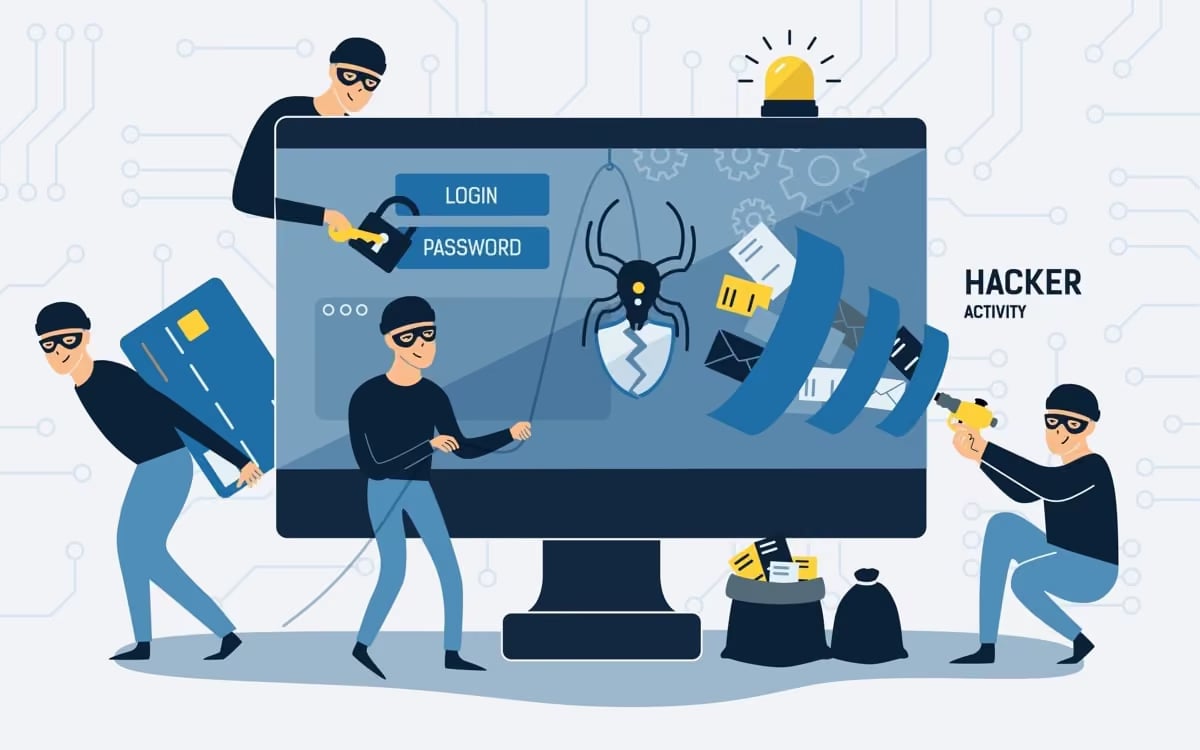
Business Email Compromise (BEC) is not just a simple phishing problem. BEC targets everyday business processes including vendor payments, invoices, and payroll. By hijacking these processes, BEC turns trusted, routine business communications into financial risk.
According to the FBI’s Internet Crime Complaint Center (IC3), there were $3.05 billion in reported BEC losses across 24,000+ complaints in 2025 alone, making it one of the costliest cybercrime categories. This blog breaks down the financial impact of BEC on businesses in 2026 and explores why small and medium-sized businesses (SMBs) are more vulnerable.
What You Will Learn
- BEC disrupts daily operations like vendor payments, payroll, and other financial structures leading to over $3 billion in reported losses per year.
- The financial impact of a BEC exceeds the stolen amount of money, secondary costs from incident response, and legal support. Also, employee productivity loss often outweighs loss of capital.
- SMBs are the main targets of these compromises due to the limited cybersecurity staffing small companies have.
- Prevention of these attacks goes beyond just detecting malicious emails. Email security, continuous monitoring, and MFA are crucial in protecting compromised credentials and email inboxes.
The Average Cost of BEC in 2026
Losses vary dramatically depending on the specific transaction and organization. However, the cost range typically falls into the following categories:
| Type of Incident | Cost Range |
|---|---|
| Lower-dollar incidents | Can range from thousands to tens of thousands |
| Significant payment fraud | Frequently reaches into the tens or hundreds of thousands |
| Major BEC incidents | Easily stretch from hundreds of thousands to millions of dollars |
Major cost drivers include fraudulent payments, wire transfer losses, payroll diversion, account recovery, extensive incident response, and legal expenses. The amount stolen in a BEC incident is often just the beginning of the financial burden.
The Hidden Costs of BEC Beyond the Initial Payment
While the initial fraudulent transaction gets the most attention, secondary costs can quickly add up and halt a business. The real cost of BEC equals the money stolen plus the cost of responding to the incident. Businesses face large financial impacts from time spent investigating the intrusion, IT and security response, reversions, legal support, and the inevitable loss of productivity. Recovery may be difficult once funds have been transferred, making timely detection and reporting critical.
Why SMBs Are Particularly Vulnerable to BEC
SMBs are prime targets for BEC actors. Combined with limited cybersecurity employees and a reliance on email for business operations, SMBs often have fewer layers of verification.
Common BEC targets within these organizations include business owners, executives, finance teams, and employees who regularly communicate with outside vendors. BEC doesn't require sophisticated malware since it succeeds simply by manipulating normal business processes.
Where BEC Creates the Most Financial Exposure
The highest-risk transactions for BEC involve routine, high-value transfers. Attackers target:
- Wire transfers
- Vendor payments
- Real estate transactions
- Payroll changes
- Large invoices
- Requests to change bank account information
Certain industries face higher risks based on their operational models, particularly construction, manufacturing, professional services, government contractors, real estate, and healthcare. Ultimately, the financial exposure of BEC is closely tied to how an organization moves money on a daily basis, not simply how large the company is.
The Cost of Compromised Credentials and Trust
BEC frequently depends on compromised or spoofed communication channels. This can span from stolen credentials, complete account takeover, executive impersonation, and vendor impersonation.
The larger risk is that once attackers gain access to an email account, they will monitor conversations to identify upcoming payments or transactions. The email account may be compromised first, but the ultimate target is always the company's money or sensitive data. Effective prevention requires a strong multi-factor authentication (MFA), strict email security, continuous monitoring, payment verification procedures, and employee security training.
Business Continuity and Reputation: The Costs You Don't See
BEC can significantly affect more than just the organization’s bank account. The fallout can include impacted vendor relationships, delayed payments, payroll complications, and customer concerns. A successful attack can undermine confidence in the business' financial processes, leading to an irrecoverable loss of trust as well as loss of certifications.
For SMBs operating with tight margins, one significant fraudulent payment can create a serious, and fatal cash-flow problem.
Why BEC Prevention Is a Financial Strategy
Business email compromise in 2026 is financially motivated, difficult to detect because it mimics normal business activity, and very costly. It poses a large risk to both cybersecurity and financial operations. Business leaders need to understand that BEC prevention is no longer just an IT function, it is a mandatory risk management strategy.
At Total Assure, we help SMBs reduce their BEC exposure through managed email security, continuous MDR, and security monitoring. The goal isn't simply to stop suspicious emails, but instead it's to protect the financial processes and business relationships those emails are trying to disrupt.
About Total Assure
Total Assure provides uninterrupted business operations with our dedicated 24/7/365 in-house SOC, robust managed security solutions, and expert consulting services. Total Assure provides cost-efficient, comprehensive, and scalable cybersecurity solutions that leverage 30 years of experience and expertise. Total Assure partners with its customers to identify security gaps, develop attainable cybersecurity objectives, and deliver comprehensive cybersecurity solutions that protect their businesses from modern cybersecurity threats.
For more information on how Total Assure can assist your organization in achieving 24/7/365 monitoring, contact our team directly.